Working Definition of the (H)umanities Program
The Humanities program is comprehensive, expansive, discussion-based and technical. We focus on detailed aspects of human experience with a diverse array of “artifacts” which facilitate our understanding of history. The program expands the perspectives of students as we listen to and learn from each other. Discourse is our primary mode of learning. Discussion is encouraged in both small group sections and big lectures. Students are encouraged to ask questions and contribute their own ideas and experiences.
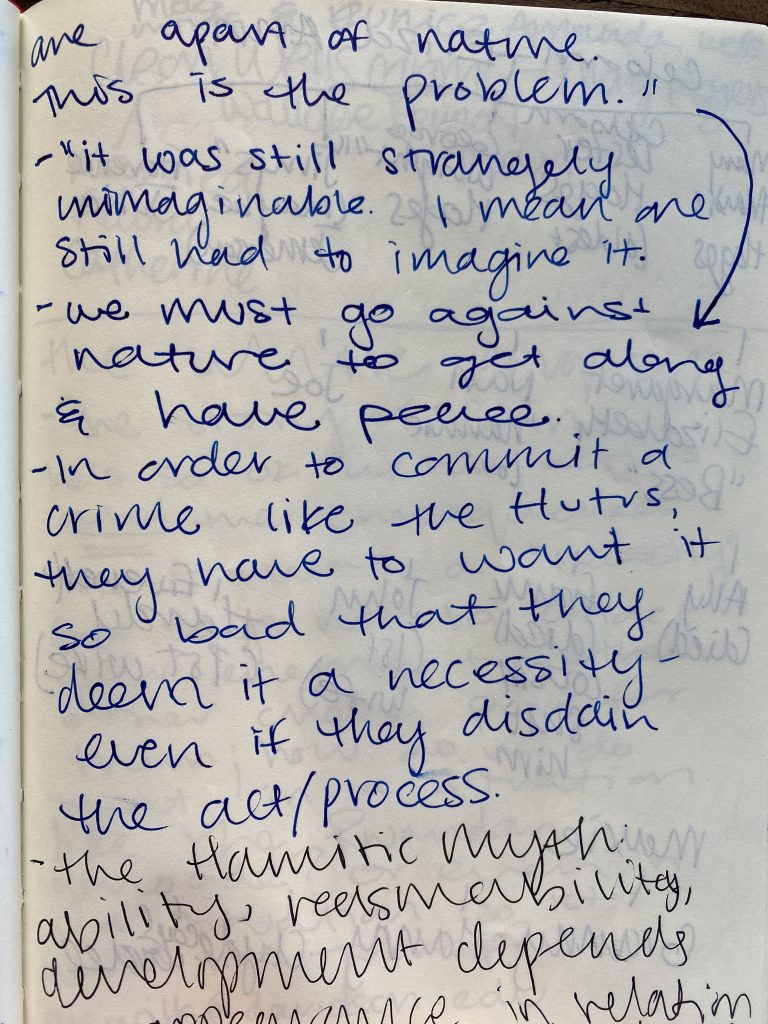
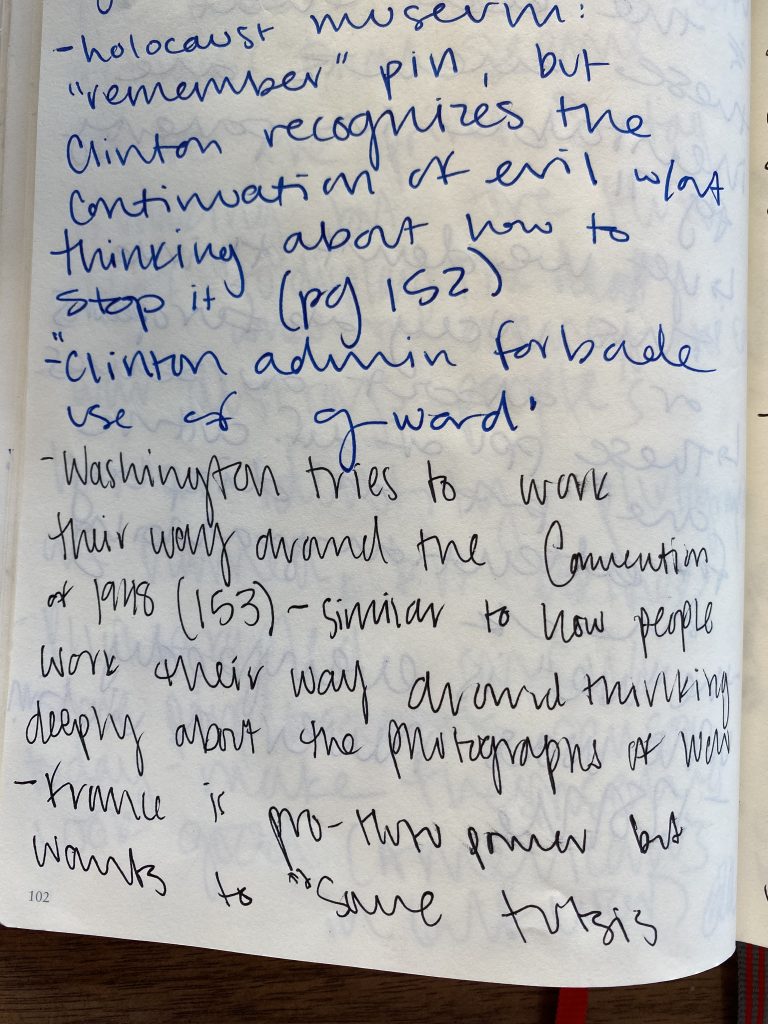
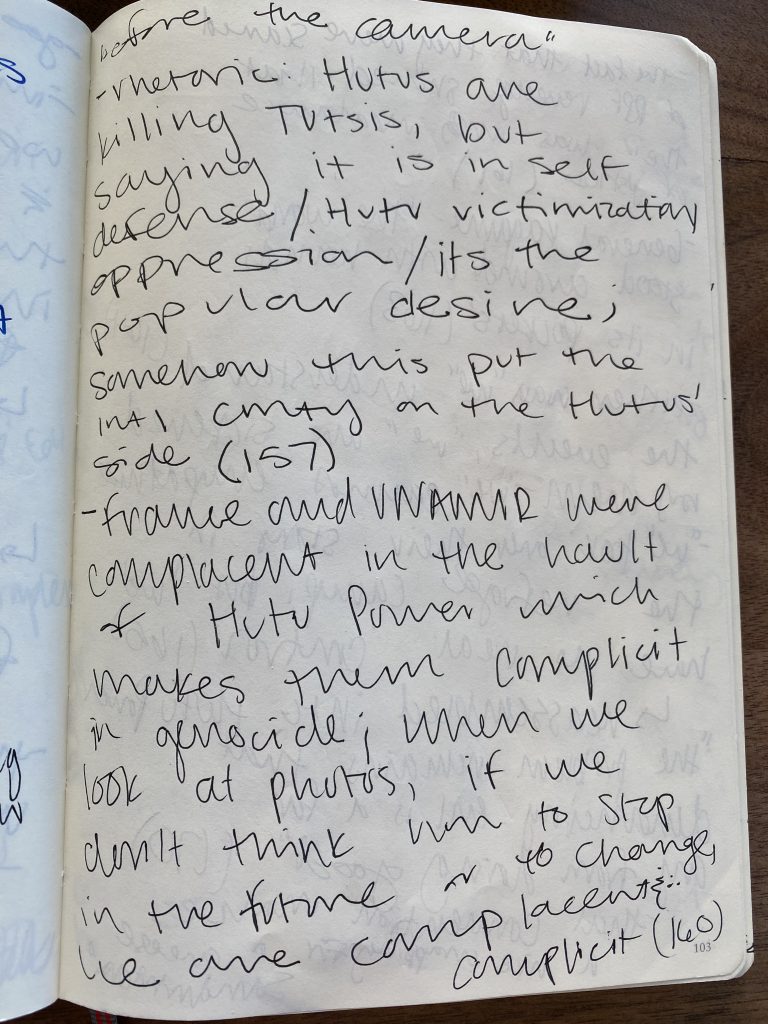
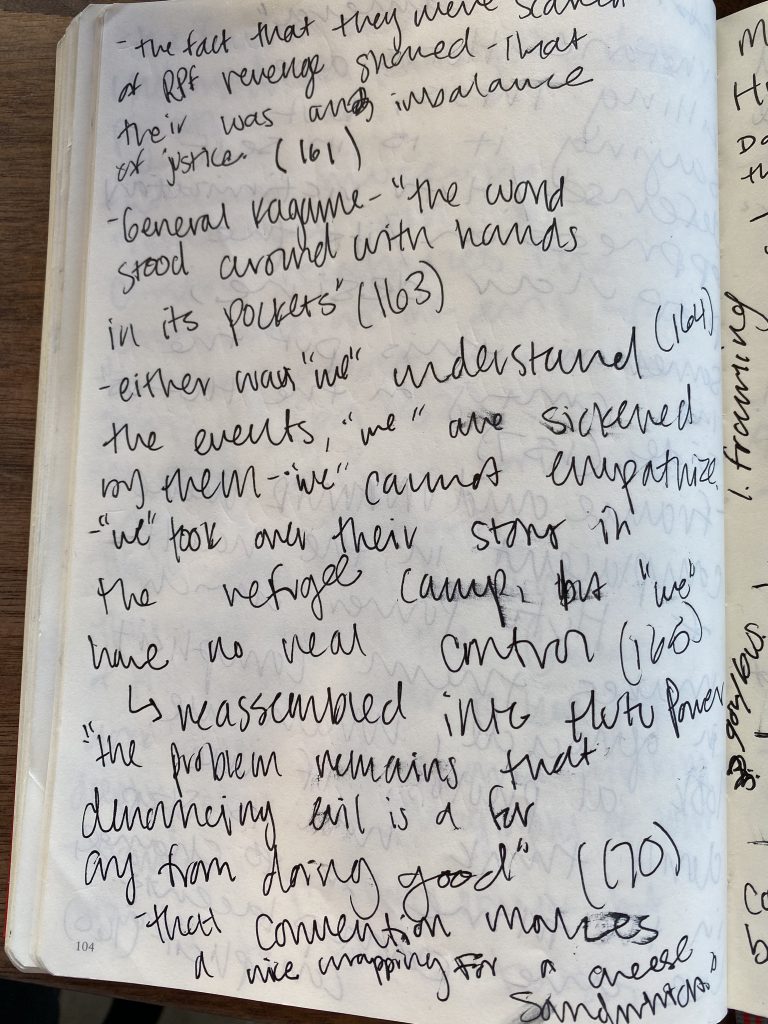
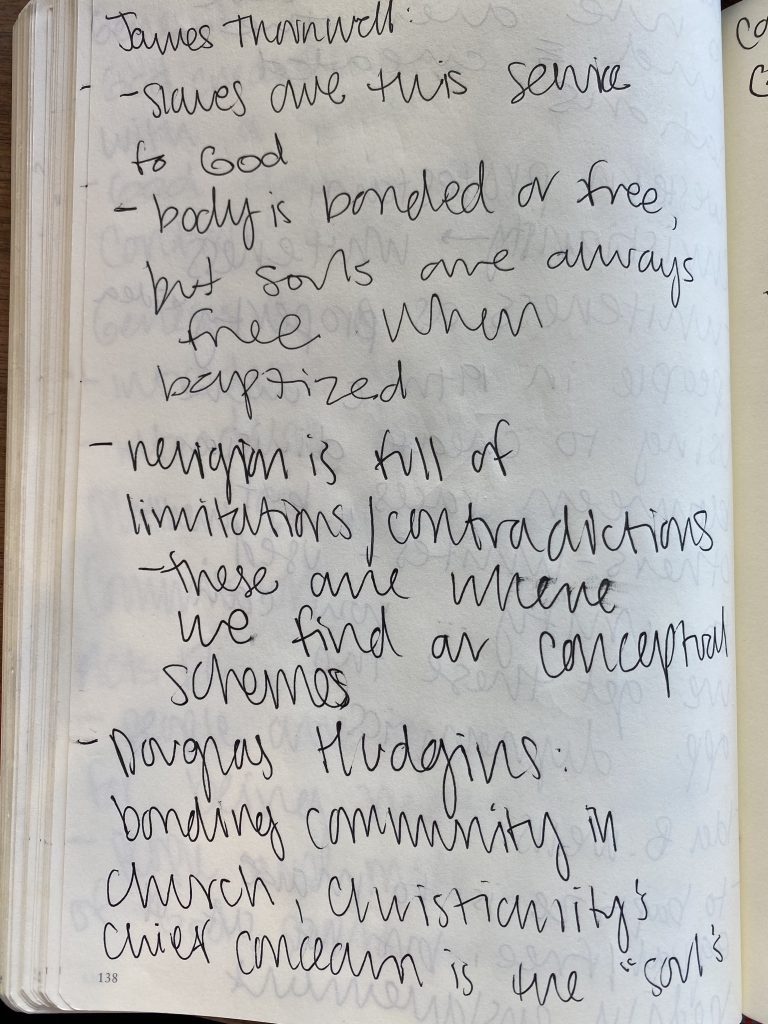
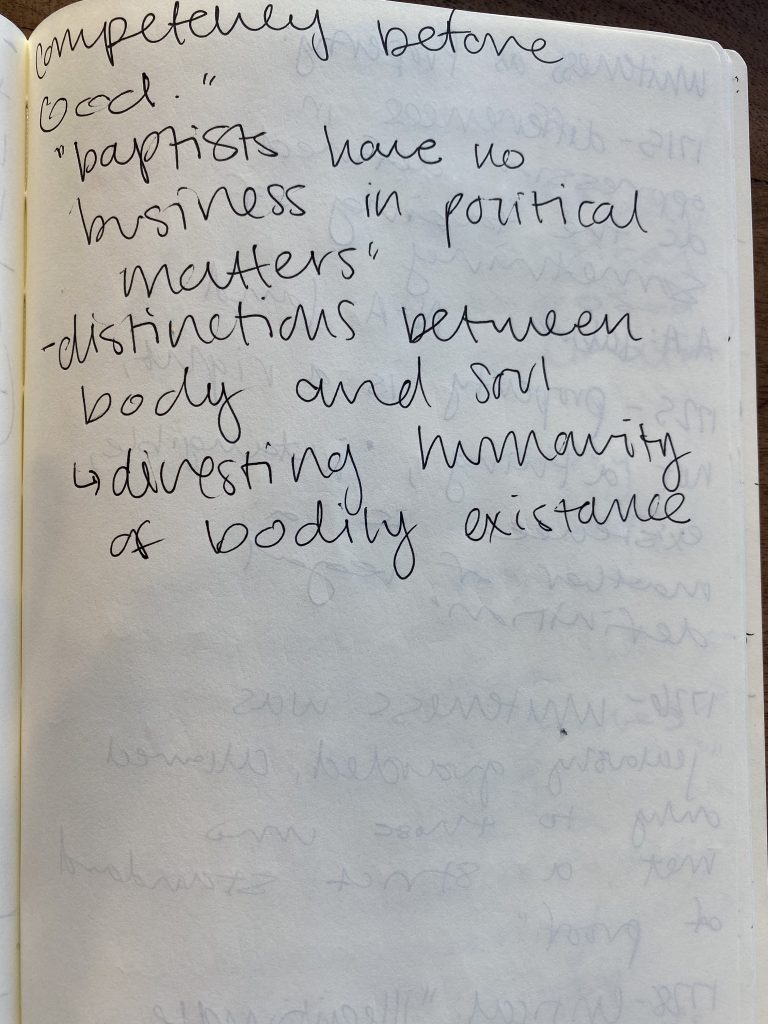
We kicked off the year with President Quillen’s unit on identity and equality. Our artifacts were John Locke’s The Two Treatises of Government, Karl Marx’s Manifesto, and other works by Toni Morrison, Simone de Beauvoir, Angela Davis and more. In our first week of plenary lectures, we discussed how modern power structures were created and impact identity and equality. In Unit two, Professor Robb focused on philosophy, reading Borges’ Tlon, Uqbar, Orbis Tertius and exploring different philosophical doctrines. Professor Tamura led unit three as we read Hannah Arendt, Philip Gourevitch’s We Wish to Inform You That Tomorrow We Will be Killed With Our Families and Susan Sontag’s Regarding the Pain of Others. Unit three generated a discussion around photography and media and made us question how we look at and think about war, trauma, and evil. Finally, unit four with Professor Wills connected race and religion. We discussed the justification of slavery through Christianity and the influence of Christianity on the Civil Rights Movement while reading John Lewis’ March and Robert Williams’ Negroes With Guns. In our first plenary lecture of this unit, Professor Wills threw several passages from the Bible on the projector and asked us to analyze them. I initially found this introduction abrupt because we did not know where to take our analysis, but as we began to discuss our ideas, Professor Wills directed our conversation towards Noah and the cursed descendants of his son, Ham (Genesis 9).
The Humanities is like a road trip. Professors buy the gas and give directions. Students are in the driver’s seat controlling the speed and steering wheel. Sometimes we go on tangents and take a scenic route. We may have to reverse and find our way again. The ultimate destination is up to the students, our effort and curiosity.
What Are the (h)umanities and how do we approach our studies?
The humanities is an exploration of the way people have interacted throughout history, how those interactions affect how people interact today and what we can do in the present to change current interactions. We recognize that we have to understand our history to understand our present at its roots. If we want to change our future, we have to know the underlying issues in the present, which we can comprehend by analyzing our past. We also recognize the framing of history through selection of artifacts, the framing of events through photography, and the framing of identity through language and rhetoric created by the majority identity. Studying framing makes us aware of our conceptual limits and creates a goal of transcending the limitations of our ideas to further our understanding of humanity.
Notes related to the humanities
Notes from Unit 1
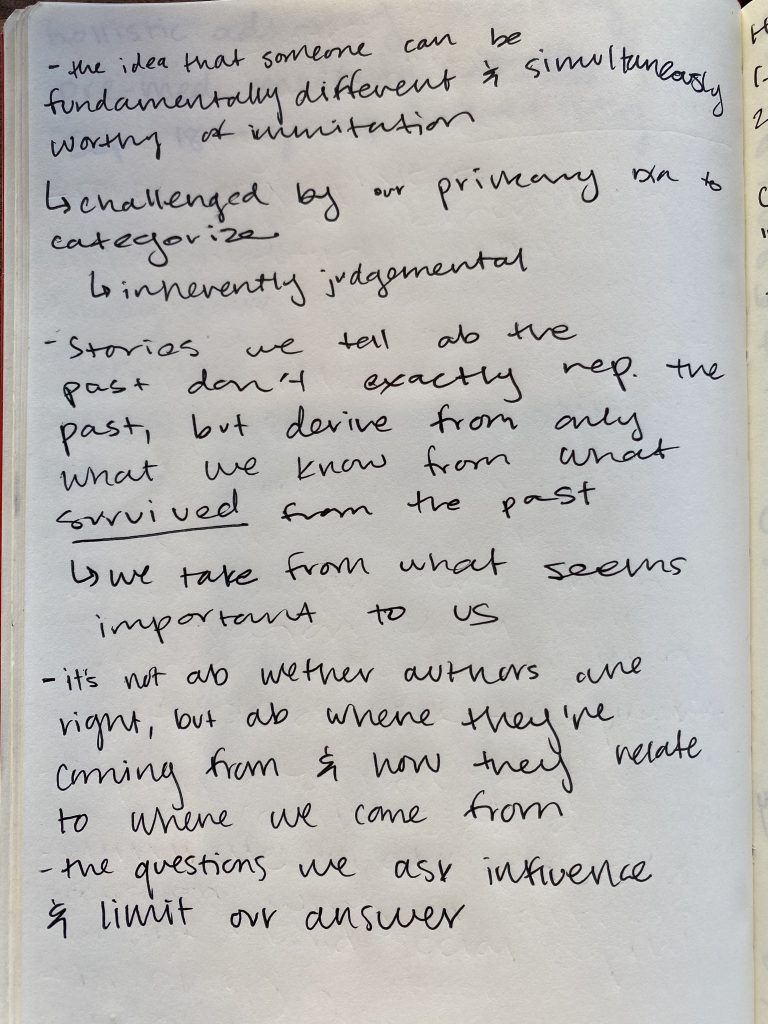
Notes from Unit 2
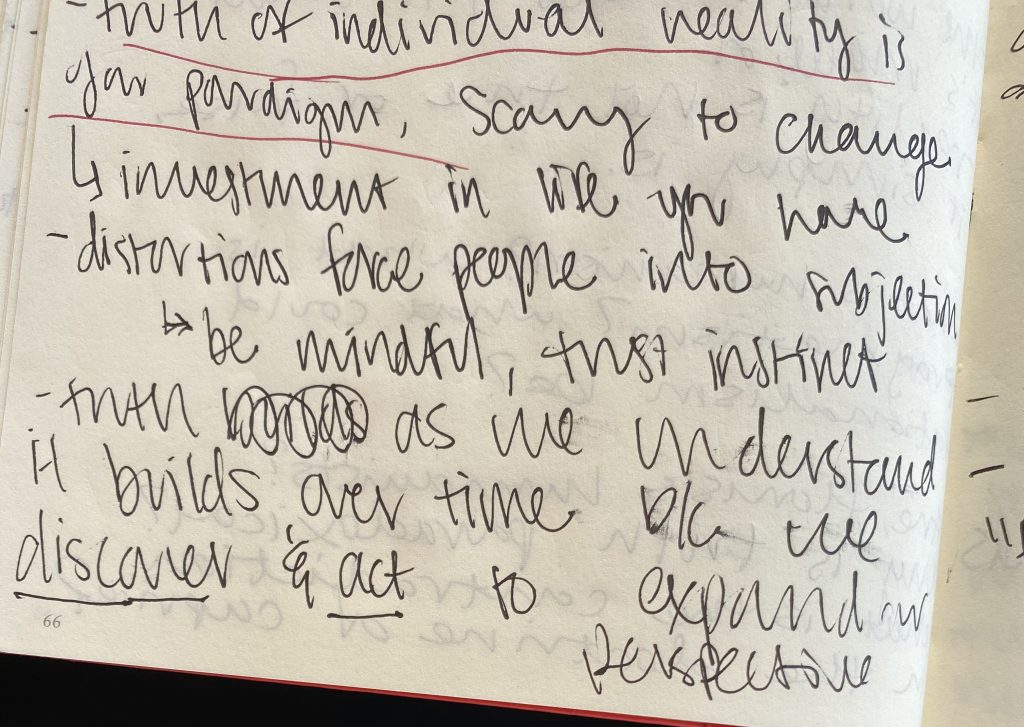
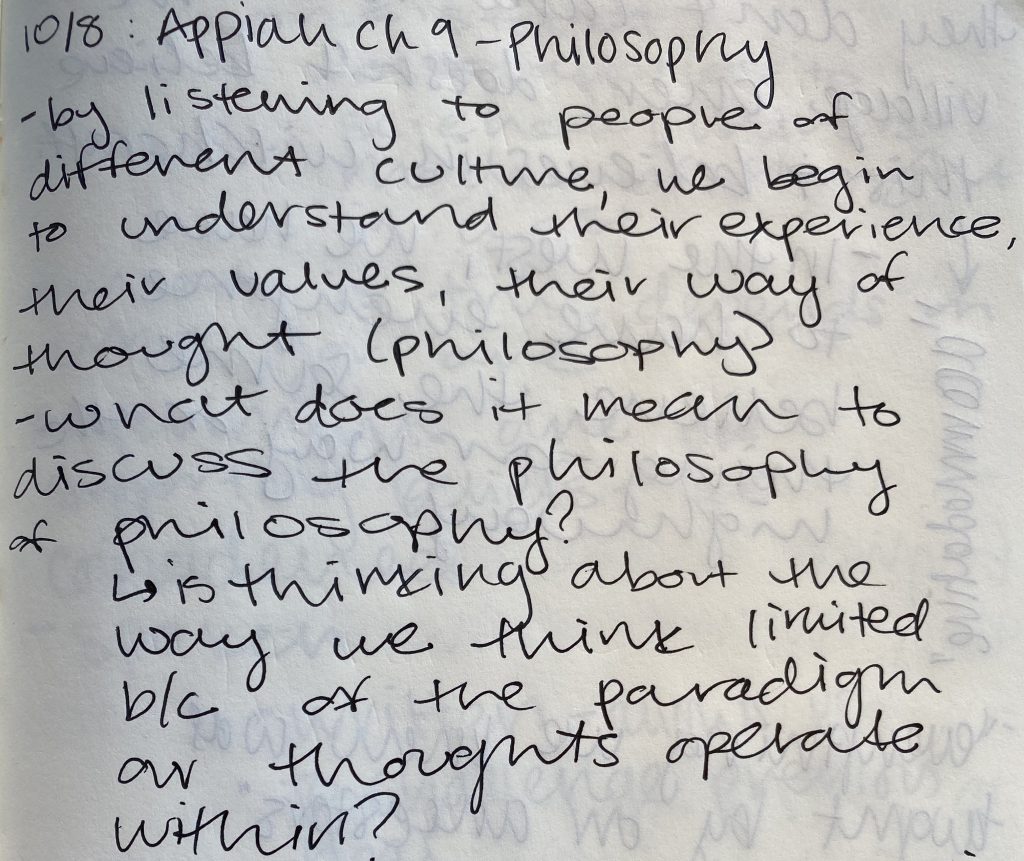
Notes from Unit 3
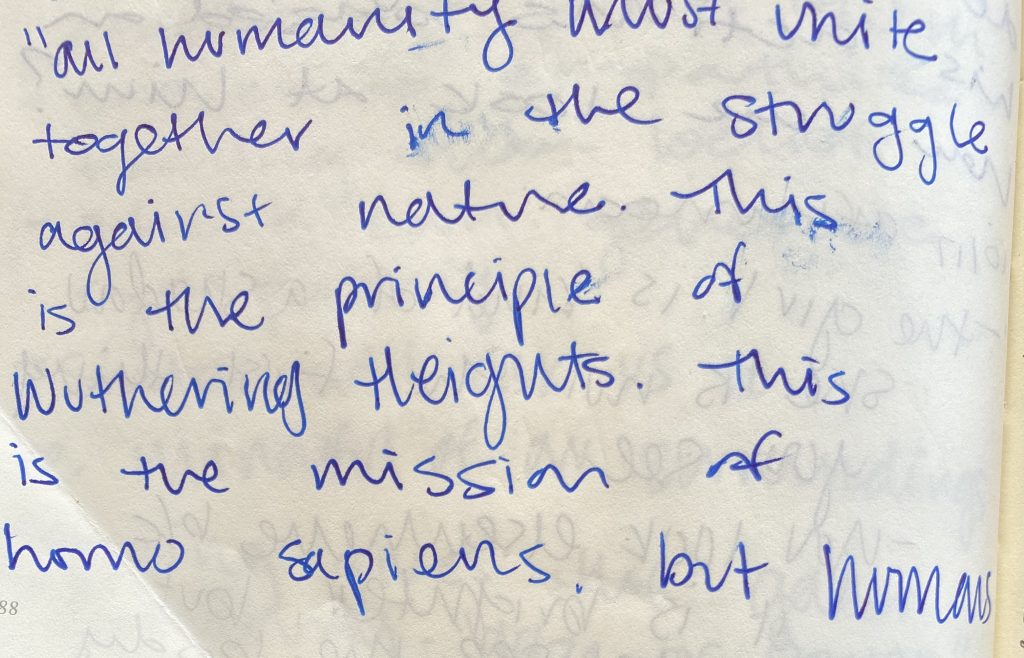
Notes from Unit 4
Working Definition of “Revolution”
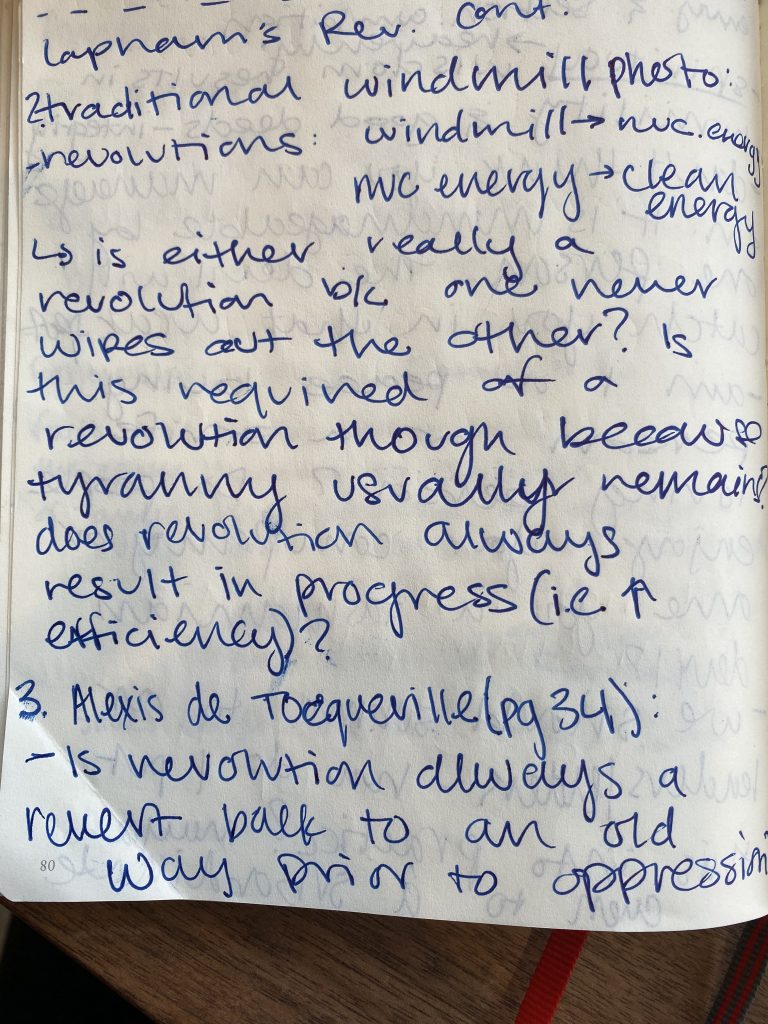
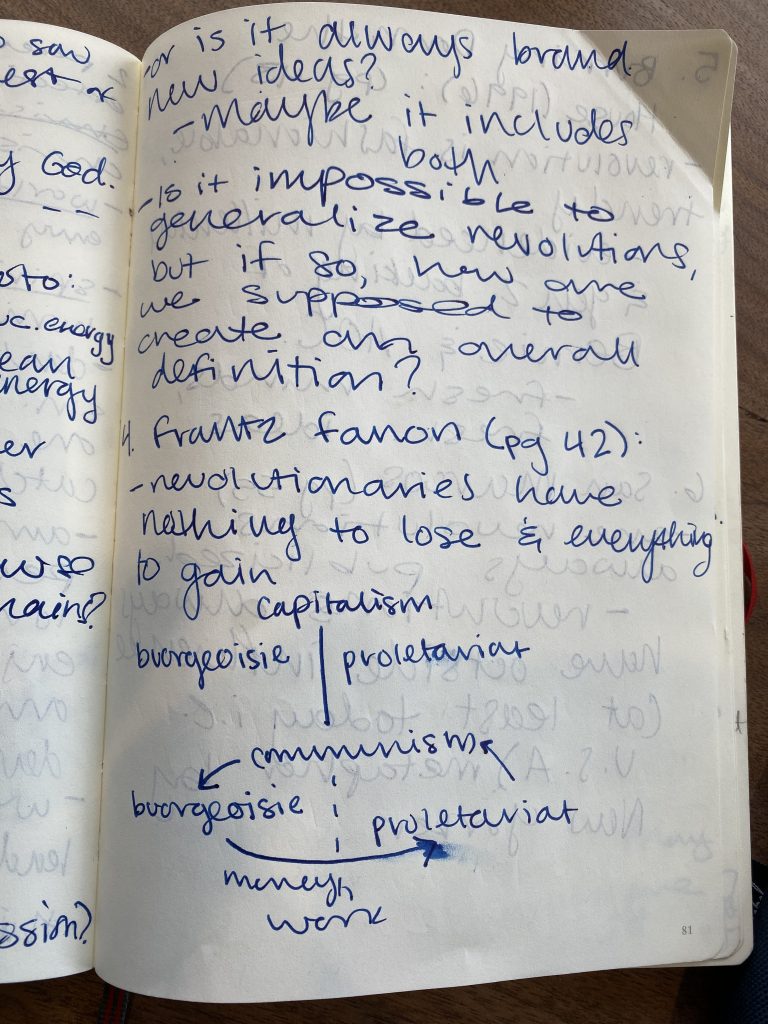
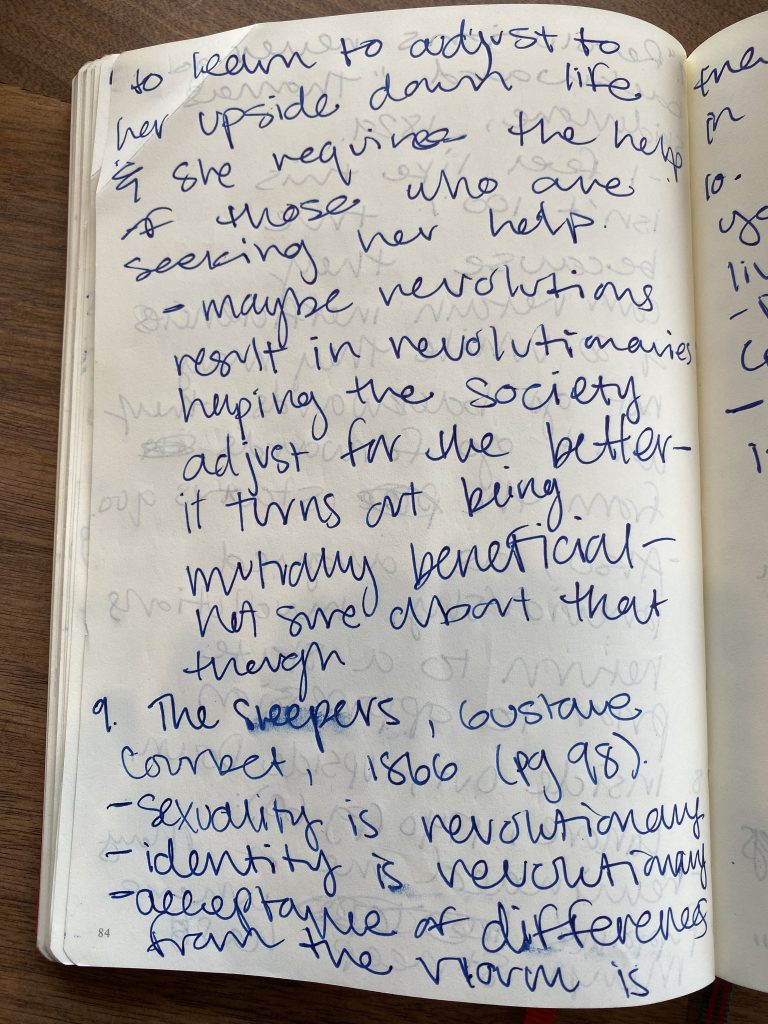
Notes on Lapham’s Quarterly: Revolutions




More on J.M.W. Turner:

